Modern Home Interior Design Trends for Small Spaces
In March 2026, the challenge of small-space living has shifted from “making do” to “maximizing potential.” Modern trends now favor “Fluid Living”—the idea that a single room should effortlessly transform its function multiple times a day using hidden technology and architectural trickery.
Here is how top designers are reclaiming the square foot in 2026.
1. The “Invisible” Home Office
With remote work becoming a permanent fixture, the 2026 small home hides the office in plain sight.
- Concealed Workstations: High-end cabinetry now features “Drop-Down” desks that look like seamless wall panels when closed.
- Wardrobe-cum-Dresser-cum-Desk: Integrated bedroom units now combine clothing storage with a pull-out vanity or laptop station, ensuring no floor space is dedicated solely to a desk.
- Acoustic “Nooks”: Designers are using 3D-printed felt panels to create sound-dampened corners that allow for professional calls in a studio apartment without visual or auditory clutter.
2. “Low & Modular” Furniture
In 2026, the mantra is: “If it sits lower, the ceiling feels higher.”
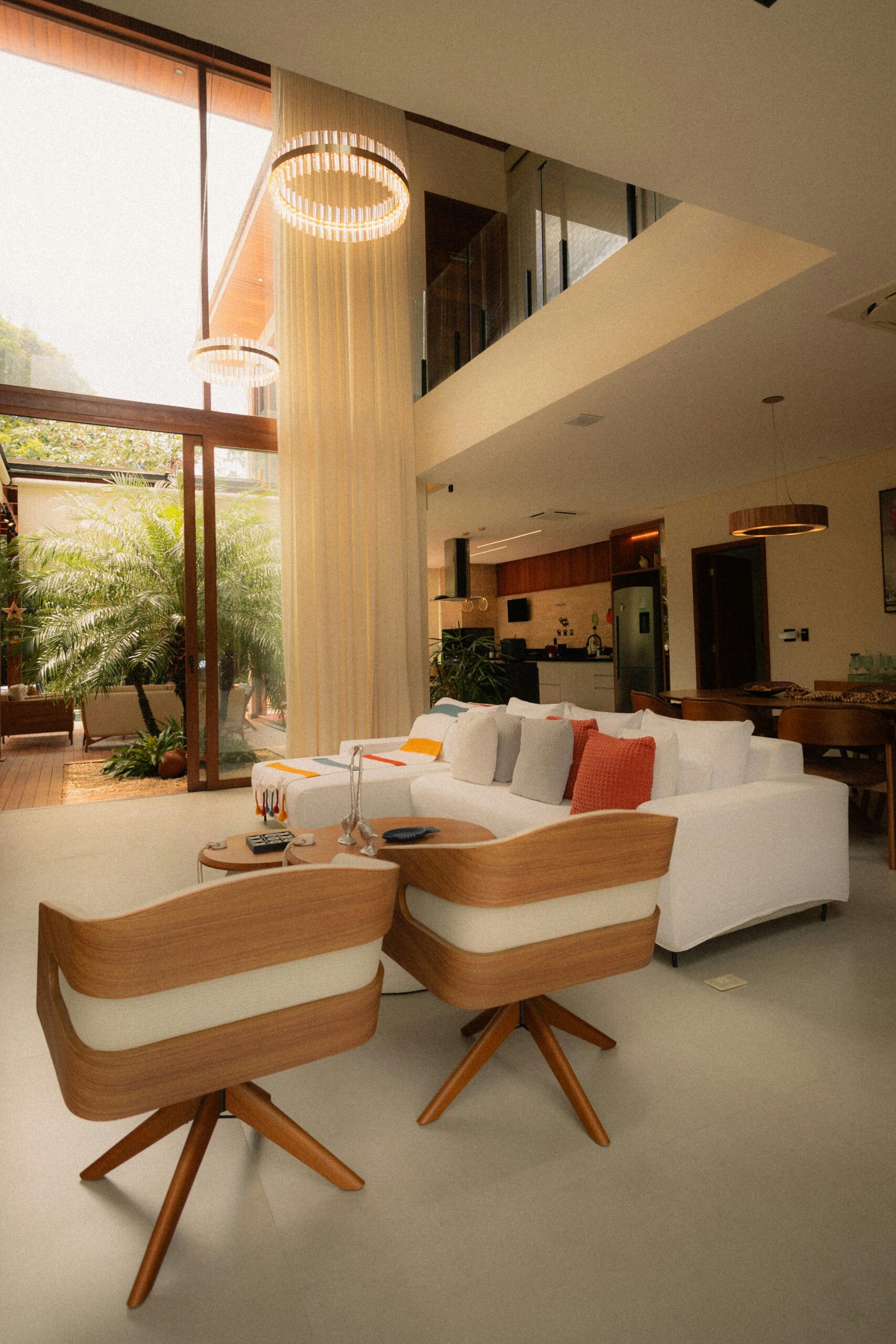
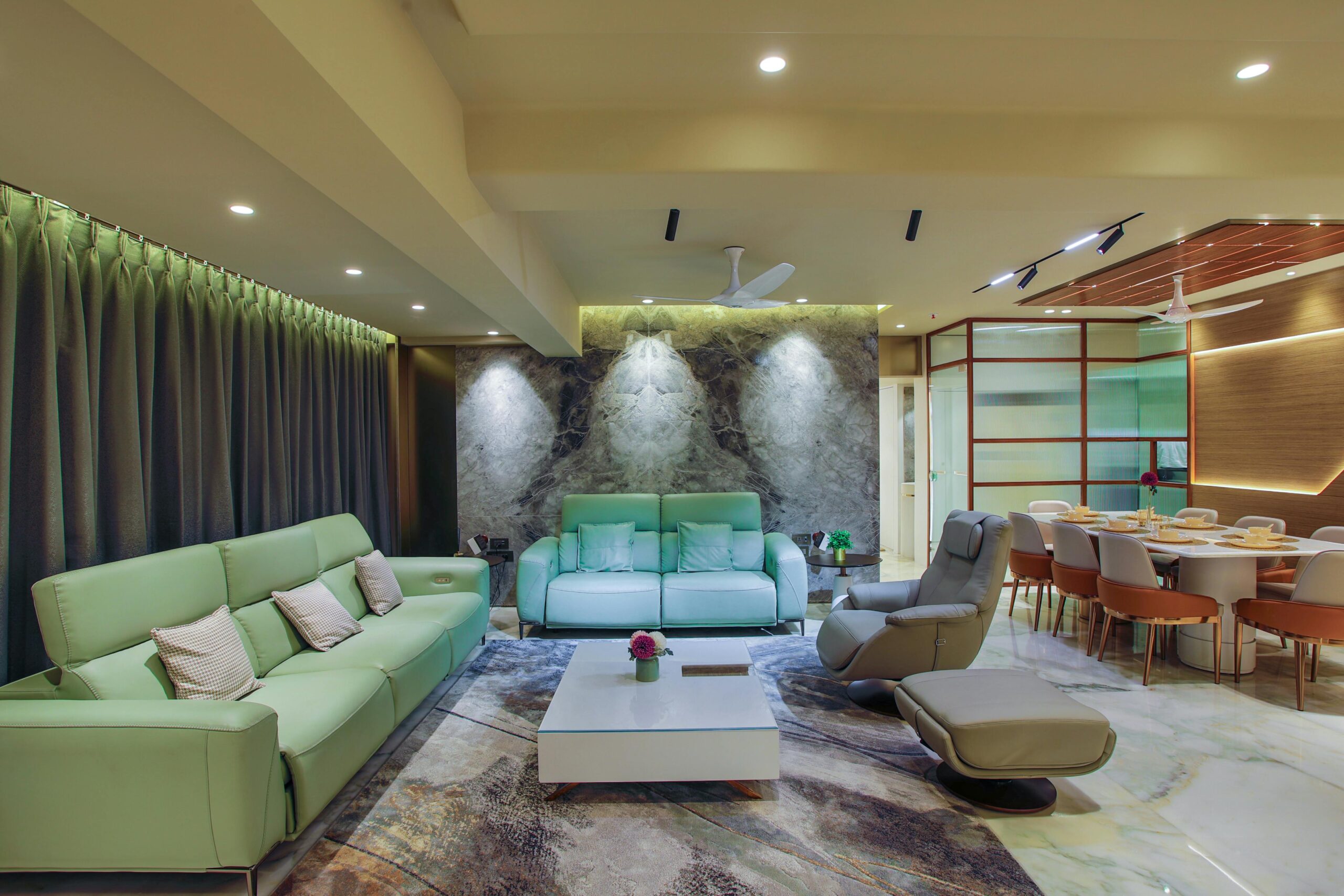
- Low-Profile Seating: Sofas and coffee tables have dropped in height to clear the mid-room sightlines, which instantly makes a 400sq ft room feel like 600sq ft.
- “Fat” Modular Sofas: Deep, rounded, modular seating that can be broken apart for guests or pushed together for a “pit-style” lounge experience is replacing rigid, bulky sectionals.
- Martini Tables: These slim, ultra-portable side tables are replacing fixed coffee tables, providing surface area only when needed and disappearing into corners when not.
3. Vertical Optimization & “The Fifth Wall”
When you run out of floor, you go to the walls and ceiling.
- Ceiling-Mounted Storage: In 2026, sleek, motorized racks are being used to “park” bicycles or seasonal storage bins against the ceiling.
- The “Library Ladder” Aesthetic: Floor-to-ceiling shelving units (often 10ft+) use the full vertical volume of a room, keeping the floor clear and drawing the eye upward to create an illusion of height.
- Vertical Lighting: Tall, slim floor lamps and vertical LED strips embedded in wall corners emphasize the height of the room rather than its narrow width.
4. Biophilic Immersion in Compact Spaces
Nature is no longer a “potted plant in a corner”; it’s an architectural element.
- AI-Powered Indoor Gardens: Sleek, bookshelf-sized hydroponic units allow city dwellers to grow herbs and greens under AI-timed LEDs that double as ambient room lighting.
- Living Walls & Moss Panels: Vertical “green tapestries” provide the psychological benefits of nature without taking up a single square inch of floor space.
- Earth-Driven Palettes: Moving away from stark “minimalist white,” 2026 small spaces use “Color Drenching”—painting walls, ceilings, and trim in a single warm tone (like clay or terracotta) to blur the boundaries of the room.
5. Smart Tech: The Silent Optimizer
Smart home tech in 2026 is becoming “invisible luxury” that works behind the scenes.
- Circadian-Syncing Windows: Smart glass and automated curtains adjust based on the sun’s position, ensuring small spaces stay bright and “breathable” throughout the day.
- Multipurpose Surfaces: Dining tables that double as wireless charging stations and mirrors with embedded displays (for fitness or news) eliminate the need for extra gadgets and cables.
- Robotic Furniture: High-tech “Transformer” furniture—such as beds that lift into the ceiling or walk-in closets that slide on rails to reveal a hidden media room—are becoming accessible for urban professionals.
6. Summary: Small Space Strategy Comparison
| Trend | Primary Benefit | Key Element |
| Fluid Layouts | Flexibility. | Sliding walls and Murphy beds. |
| Color Drenching | Visual Expansion. | Monochromatic warm earth tones. |
| Verticality | Storage & Volume. | Floor-to-ceiling cabinetry. |
| Low Seating | Airiness. | Low-profile, modular sectionals. |
| Smart Glass | Natural Light. | Automated tinting and light-tracking. |
2026 Design Hack: Use Maximalist Mirrors. A single, oversized mosaic or floor-to-ceiling mirror panel across from a window can double the perceived light and space of a small hallway or breakfast nook.

Related Posts
Luxury Home Interiors: Design Elements and Trends
Wall Décor and Art Placement in Modern Homes