Role of Textures and Materials in Interior Aesthetics
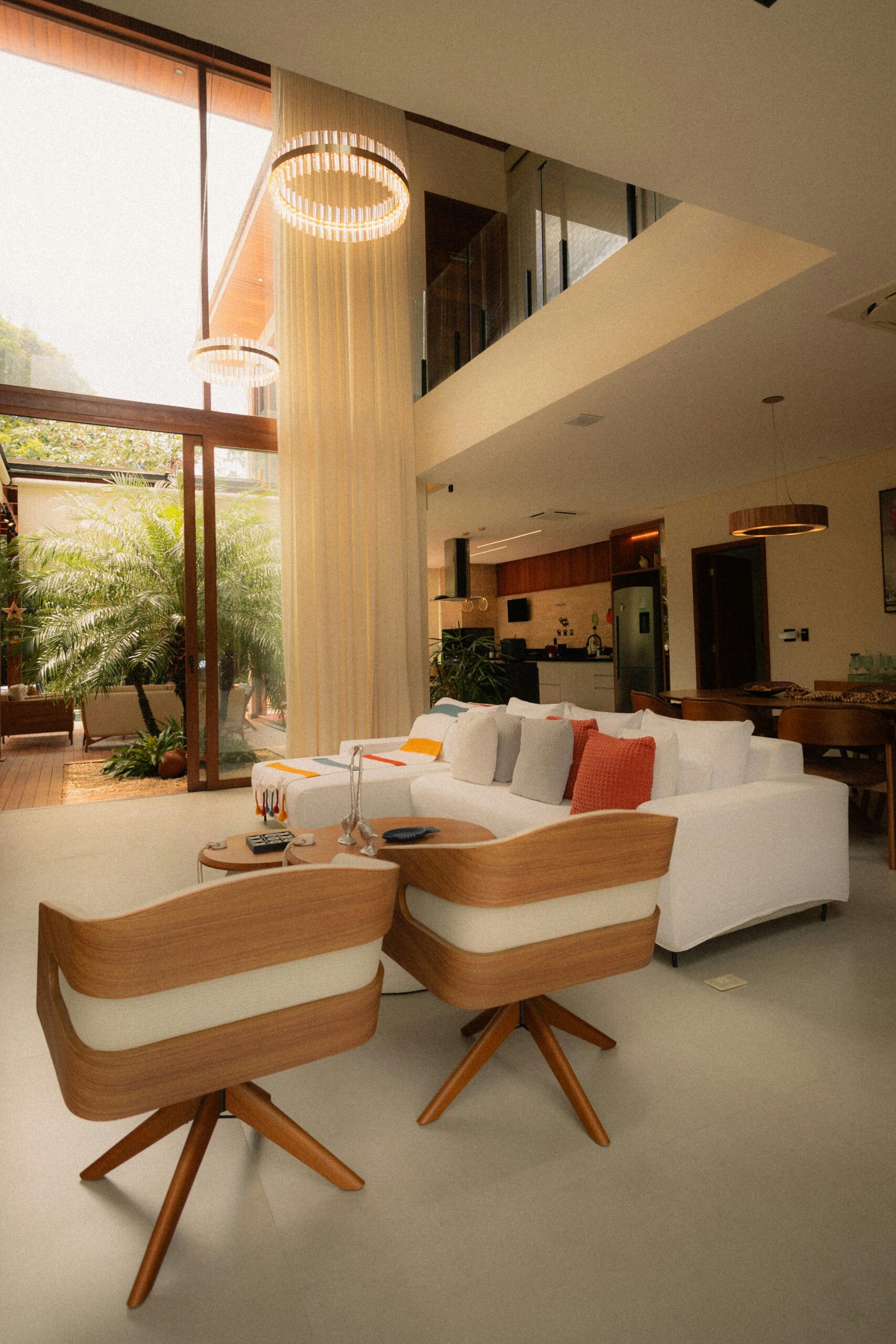
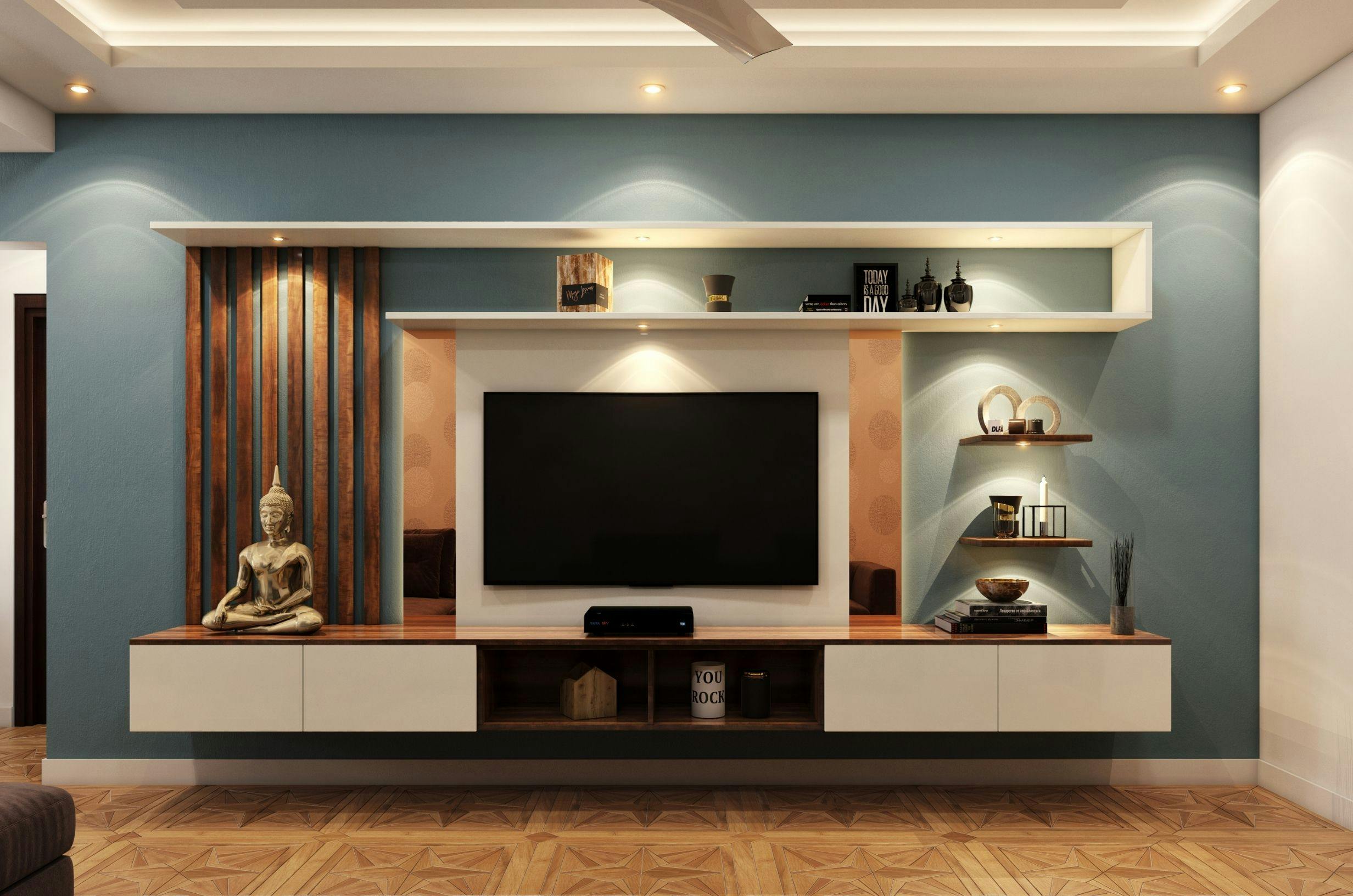
In March 2026, Materials and Textures have transcended their role as “finishing touches” to become the primary language of interior aesthetics. As we move away from the flat, “screen-like” surfaces of the early 2020s, the modern home is now designed to be a multisensory ecosystem that prioritizes touch and emotional resonance.
This shift is often called “Tactile Minimalism”—a style that maintains clean lines but replaces cold, sterile whites with rich, layered surfaces.
1. The Psychology of Surface: Beyond Visuals
In 2026, designers select materials based on their Neurological Impact. Recent studies in neuro-aesthetics show that our brains crave tactile diversity to feel “grounded.”
- Rough & Raw: Materials like chiseled stone, reclaimed wood, and clay plasters evoke a sense of “relatedness” and authenticity. They are used in entryways and living rooms to provide an immediate psychological anchor.
- Soft & Enveloping: In 2026 “Cocooning” spaces (bedrooms/wellness nooks), designers layer bouclé, brushed linen, and velvet. These soft textures trigger a parasympathetic nervous system response, actively lowering heart rates.
- Organic Imperfection: The 2026 aesthetic celebrates Wabi-Sabi—the beauty of the imperfect. Hand-glazed tiles with variable textures and woods with visible knots are preferred over factory-perfect finishes because they feel “human” and “alive.”
2. The 2026 “Hero” Materials
| Material | 2026 Aesthetic Role | Sensory Benefit |
| Mycelium & Bio-Composites | Sustainable wall panels and furniture. | Soft, velvet-like touch; dampens room acoustics. |
| Travertine & Honed Stone | Kitchen islands and bathroom vanities. | Matte finish that feels warm (not cold) to the touch. |
| Fluted & Reeded Glass | Room dividers and cabinetry. | Diffuses light while adding a rhythmic, vertical texture. |
| Limewash & Venetian Plaster | Seamless, “mottled” wall finishes. | Adds visual depth without the “noise” of wallpaper. |
| Oxidized Metals | Hardware, frames, and accents. | Brushed, matte finishes (bronze/brass) that age gracefully. |
3. Tactile Layering: The “New Luxury”
The most sophisticated homes in 2026 don’t use more color; they use more layers.
- The “Textural Contrast” Rule: Pairing opposite sensations creates a dynamic environment. A sleek, mirror-polished stainless steel table placed on a chunky, hand-tufted wool rug makes both materials feel more intense.
- Micro-Textures: For those who prefer a minimalist look, 2026 offers “Micro-Textures”—surfaces that look smooth from a distance but reveal a fine, leathered, or brushed grain upon closer inspection. This provides “Quiet Luxury” that doesn’t scream for attention.
4. Walls as Architectural Elements
Walls are no longer just backdrops for art; they are the art.
- 3D Sculptural Paneling: Using CNC-milled wood or GFRC (glass-fiber-reinforced concrete) to create walls with deep grooves and “wave” patterns that play with the shadows of the room.
- Panel Drenching: A 2026 favorite where the same textured material (like fluted oak) is used on the walls, the ceiling, and even integrated furniture to create a seamless, immersive “shell.”
5. Biophilic Materials: The “Forest Floor” Trend
In 2026, we are seeing the “Vertical Forest” move inside.
- Mummified Moss Panels: These provide a lush, green texture on walls that requires no water or light but offers incredible Acoustic Luxury by absorbing echoes in open-plan homes.
- Cork & Rattan: These “warm” natural materials are being used in unexpected ways—such as cork-bark wall coverings and rattan ceiling inserts—to balance the hard lines of modern tech-heavy rooms.
6. Summary: Designing for the Hand
To apply these principles today:
- Eliminate High-Gloss: Swap shiny surfaces for honed, matte, or leathered finishes.
- Focus on “Touch Points”: Prioritize high-quality textures on things you actually touch—door handles, light switches, and chair arms.
- Mix Your Scales: Combine a large-scale texture (a chunky knit throw) with a fine-scale texture (a smooth silk cushion) for a balanced feel.
2026 Trend Forecast: Watch for “Thermochromic Surfaces”—smart materials that subtly change their texture or color based on your body heat, creating a literally “responsive” home environment.

Related Posts
Luxury Home Interiors: Design Elements and Trends
Wall Décor and Art Placement in Modern Homes