Lighting Design: Enhancing Mood and Functionality in Homes
In March 2026, Lighting Design has evolved into a discipline of “Adaptive Atmosphere.” No longer a static overhead switch, modern home lighting is a dynamic system integrated with the home’s “nervous system.” The goal this year is Circadian Harmony—synchronizing artificial light with our internal biological clocks to improve sleep, productivity, and emotional recovery.
The 2026 approach is defined by the Three-Layer Principle and AI-Driven Personalization.
1. The Three Essential Layers of Light
To create a space that is both functional and mood-enhancing, designers in 2026 use a layered approach to avoid “flat” or clinical lighting.
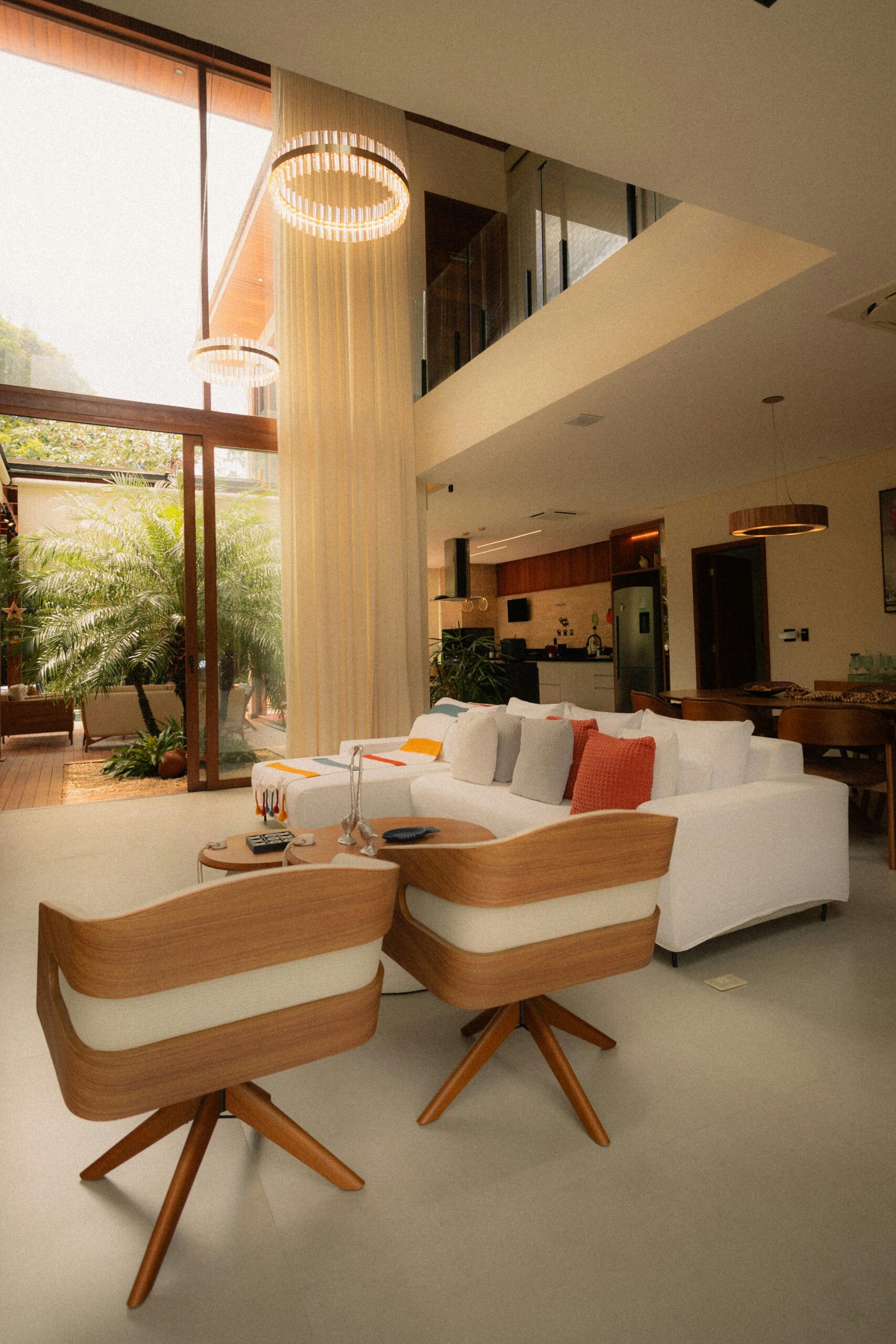
- Ambient (General) Lighting: The base layer that provides overall visibility. In 2026, this is moving away from “can lights” toward recessed LED coves and “invisible” perimeter lighting that bounces off the ceiling for a soft, glare-free glow.
- Task Lighting: Focused light for specific activities. In modern home offices and kitchens, this includes under-cabinet LED strips and “smart” desk lamps that automatically adjust their color temperature based on the time of day.
- Accent (Feature) Lighting: The “jewelry” of the room. Using directional spotlights or LED wall-washers to highlight textures, artwork, or architectural features (like a calligraphic wall relief) to create depth and drama.
2. Circadian-Syncing & Human-Centric Tech
The most significant trend in March 2026 is the adoption of Biophilic Lighting.
- Color Temperature Shift: Smart systems now automatically transition from Cool Blue-White ($5000K+$) in the morning (to suppress melatonin and boost focus) to Warm Amber ($1800K – 2700K)$ in the evening (to trigger relaxation).
- Matter 2.0 Integration: Using the latest smart home standards, lights now “talk” to your wearable health devices. If your watch detects high stress, your living room lights might automatically shift to a calming, low-intensity forest green or soft sunset orange.
- Flicker-Free “Natural” LEDs: 2026 high-end bulbs now feature a full-spectrum CRI (Color Rendering Index) of 98+, making indoor light virtually indistinguishable from natural sunlight.
3. Lighting Strategies by Room (2026 Data)
| Room | Primary Goal | 2026 “Hero” Feature | Psychological Impact |
| Living Room | Versatility. | Magnetic Track Lighting. | Allows for “zoning” different activities. |
| Kitchen | Precision. | Tunable White Task-Lighting. | Ensures food looks fresh and prep is safe. |
| Bedroom | Decompression. | Floor-Level “Path” Lights. | Guides you at night without waking the brain. |
| Home Office | Concentration. | Indirect Up-Lighting. | Reduces eye strain and screen glare. |
| Bathroom | Spa-Like Serenity. | Backlit Vanities. | Soft, shadow-free light for grooming. |
4. Sculptural & “Invisible” Fixtures
In 2026, the light fixture itself is either a Statement Piece or Completely Hidden.
- Tactile Minimalist Fixtures: Pendants made from natural, sustainable materials like 3D-printed sand, translucent recycled glass, or brushed brass.
- Light-As-Architecture: LED “neon” strips embedded directly into drywall or baseboards, creating glowing lines that define the shape of the room without a visible “lamp.”
- Holographic Accents: High-tech projectors are being used to cast “light patterns” (like the dappled shadow of leaves) onto plain walls, providing a biophilic connection to nature in urban apartments.
5. Summary: Designing Your “Light Scene”
Modern design focuses on “Scenes” rather than “On/Off.”
- “Focus” Scene: High-intensity, cool light directed at workspaces.
- “Entertain” Scene: Dimmed ambient light with warm accents on artwork or the dining table.
- “Wind-Down” Scene: Zero overhead light; only warm, low-level floor lamps and soft wall glows.
2026 Pro-Tip: To instantly improve your home’s mood today, follow the “No Overhead After 8 PM” rule. Switching exclusively to lamps and low-level lighting in the evening triggers your body’s natural “sleep mode,” significantly improving your sleep quality.

Related Posts
Luxury Home Interiors: Design Elements and Trends
Wall Décor and Art Placement in Modern Homes