Open-Plan Living: Benefits and Design Challenges
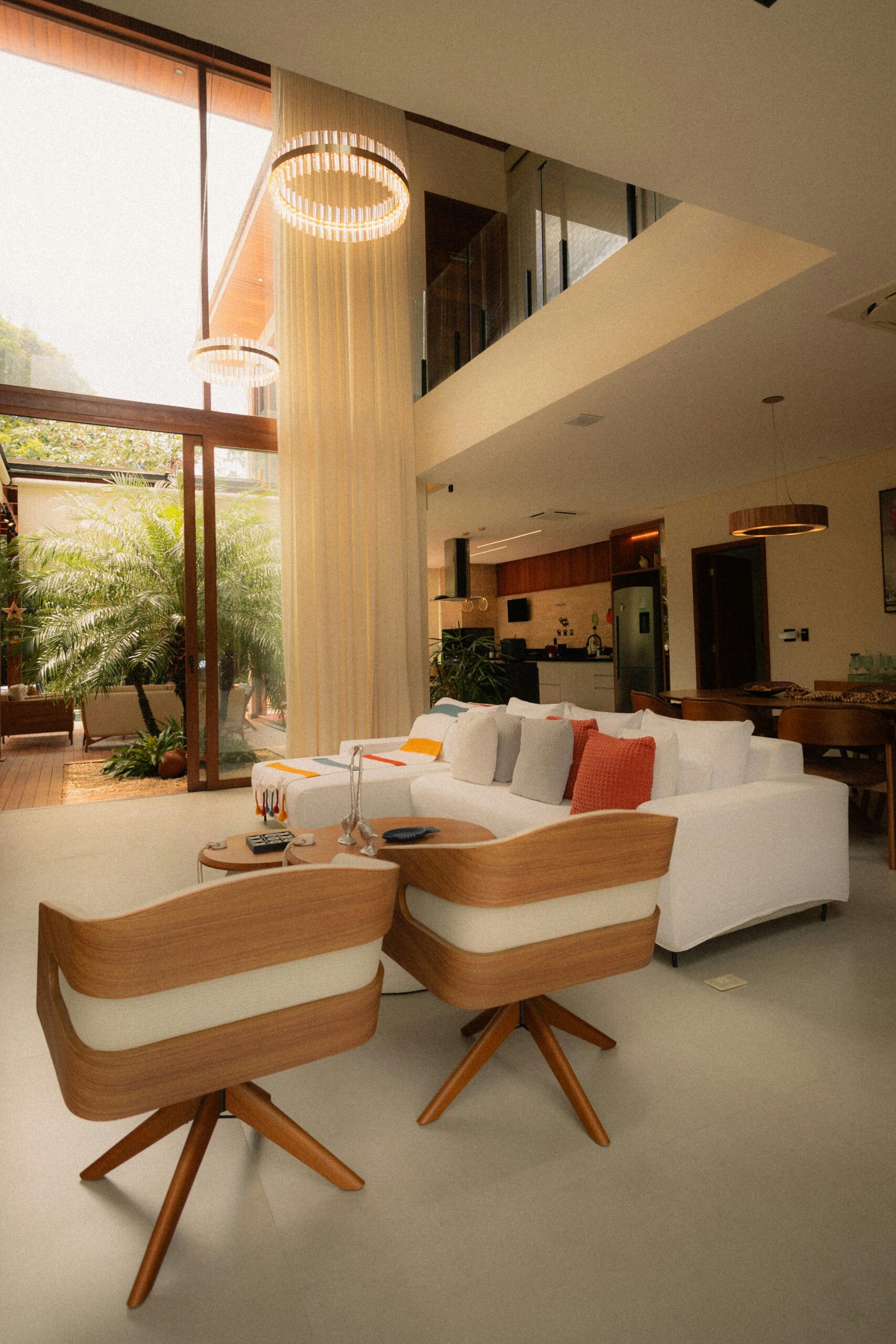
In March 2026, Open-Plan Living has moved past the “big empty box” phase into a more sophisticated era known as “The Refined Open Plan.” While the desire for light and connection remains, the 2026 home is designed to solve the two biggest complaints of the last decade: acoustic chaos and lack of privacy.
The modern solution is the “Broken Plan”—maintaining the airy feel while using subtle architectural “suggestions” to define space.
1. The Benefits of Open-Plan Living
- Maximized Natural Light: By removing interior walls, light from a single large window can penetrate deep into the home, supporting your circadian rhythm and reducing energy costs.
- Social Connectivity: It allows for “Parallel Living”—where one person is cooking, another is working at the dining table, and a third is relaxing, yet all remain in the same social orbit.
- Enhanced Traffic Flow: Especially in urban apartments, removing barriers makes a home feel 20–30% larger than its actual square footage.
- Improved Airflow: Open spaces allow for better cross-ventilation, which is a key pillar of 2026 Wellness Architecture.
2. The Modern Challenges
- Acoustic Overload: Without walls to absorb sound, the “clatter and clink” of a kitchen can drown out a movie in the living area. Hard surfaces (stone, glass, wood) act as “sound mirrors.”
- The “Mess” Visibility: In a 2026 open layout, a pile of dishes in the sink is visible from the front door. This can create “visual stress” in what is supposed to be a relaxation zone.
- Heating/Cooling Inefficiency: Large, high-ceilinged spaces can be difficult to regulate, leading to higher HVAC bills if not properly zoned.
- Lack of “Mental Thresholds”: Without physical doors, it can be psychologically difficult to “switch off” from work if your desk is in the middle of your living space.
3. 2026 Design Strategies: “Zoning Without Walls”
To overcome these challenges, 2026 designers use Subtle Zoning to create “rooms within rooms.”
| Technique | 2026 Application | Purpose |
| Material Transitions | Shifting from wood in the lounge to microcement in the kitchen. | Visual cues that tell the brain you’ve “entered” a new room. |
| Architectural Screens | Using timber slats or industrial glass partitions. | Provides a “Broken Plan” feel; blocks noise but keeps the light. |
| Defined Ceiling Typography | Lowering the ceiling over the kitchen or using wood beams. | Creates an “invisible” boundary from above. |
| Lighting Pools | A statement pendant over the table vs. floor lamps in the lounge. | Carves out functional islands using light intensity. |
| Sunken Areas | The return of the “Conversation Pit.” | Using a floor-level change to physically separate the lounge. |
4. Acoustic Solutions: “Taming the Echo”
In 2026, Acoustic Design is no longer an afterthought.
- Texture Stacking: Designers are layering rugs (plush wool over flat-weave) and using heavy floor-to-ceiling drapery (2.5x fullness) to “eat” the sound.
- Bio-Acoustics: Clustering large, broad-leaf plants (like Ficus or Monstera) in “green corners” acts as a natural sound diffuser.
- Acoustic Art: Using fabric-wrapped wall panels or 3D-etched cork reliefs that serve as art while dampening noise.
5. Summary: The “Broken Plan” Approach
The goal in 2026 is Intentional Flow.
- Anchor the center: Bring furniture away from the walls to create “clusters.”
- Plan your pathways: Ensure there is a clear 3-foot “thoroughfare” so people can move between zones without interrupting those who are relaxing.
- Hide the Utility: Use “Concealed Kitchens” (appliance garages and pocket doors) to hide the mess at a moment’s notice.
2026 Implementation Tip: If your open space feels “echoey,” add Textured Panelling to one wall. Even a simple fluted wood or plaster finish can break up sound waves and instantly make a large room feel “cosy” rather than “cavernous.”

Related Posts
Luxury Home Interiors: Design Elements and Trends
Wall Décor and Art Placement in Modern Homes