Principles of Minimalist Interior Design
In March 2026, minimalist interior design has evolved from a stark, “empty” aesthetic into a philosophy of Essentialism. The modern minimalist movement is no longer about living with as little as possible, but about ensuring that every object in a space serves a clear purpose—whether functional, emotional, or aesthetic.
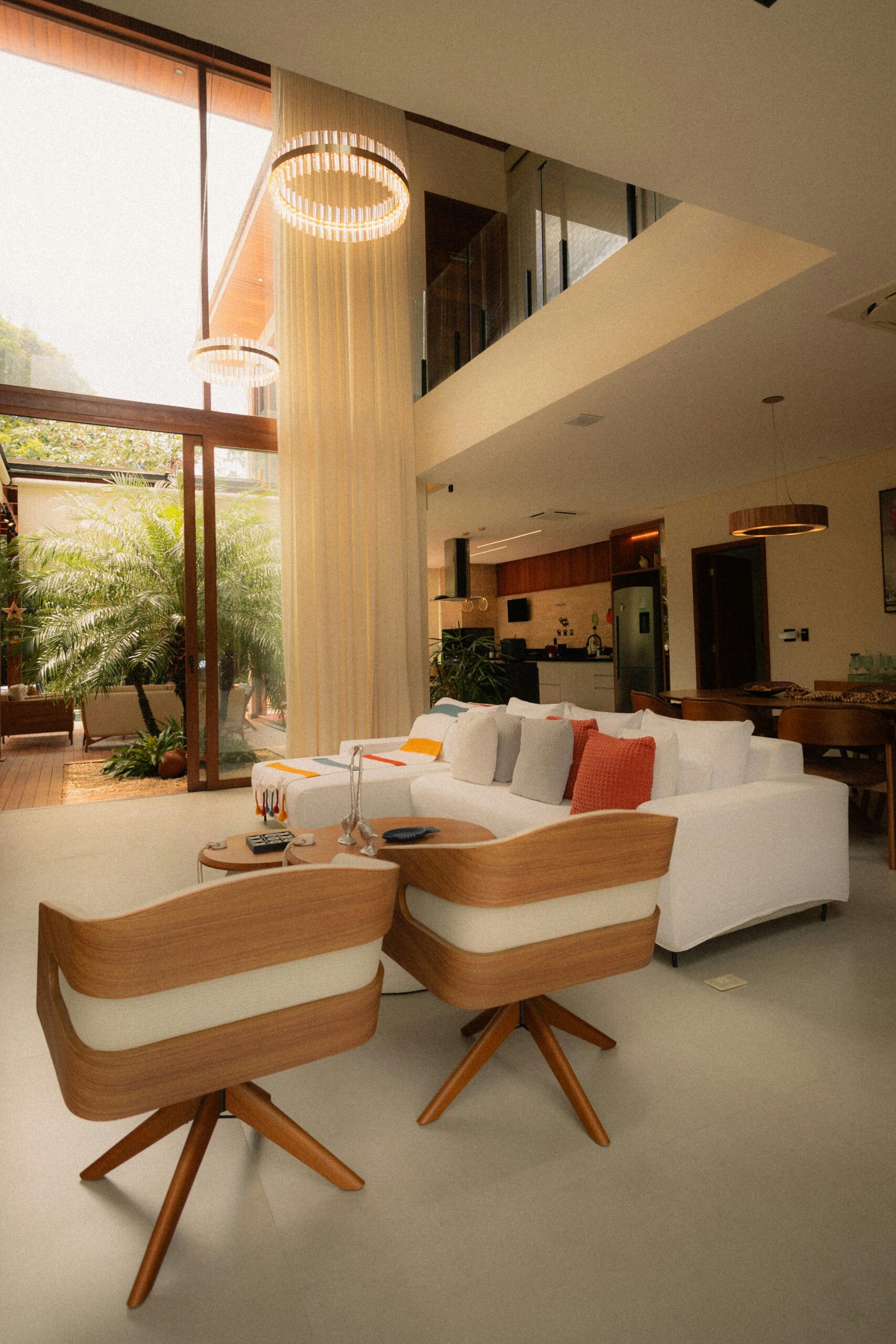
The 2026 approach is often called “Warm Minimalism,” moving away from the cold, clinical whites of the past toward tactile textures and organic serenity.
1. The “Edit” over the “Add”
The core of minimalism is the subtraction of the unnecessary. In a 2026 home, this means clearing visual noise to allow the mind to rest.
- Clutter-Free Surfaces: Keeping countertops and tables clear isn’t just about tidiness; it’s about reducing cognitive load.
- Intentional Curation: Every piece of furniture or decor is selected with extreme “intentionality.” If an item doesn’t provide utility or a deep sense of joy, it is removed.
- Negative Space: Minimalism treats “empty” space as a design element in itself. This “breathing room” allows the focal points—like a single piece of art or a statement chair—to stand out.
2. Form Follows Function
This architectural principle remains the backbone of the movement. In minimalism, the shape of an object should be primarily based upon its intended function.
- Clean Lines: Favoring straight edges or smooth, sweeping curves over ornate carvings or busy patterns.
- Hidden Storage: 2026 design relies heavily on “Seamless Cabinetry.” Floor-to-ceiling storage that blends into the walls allows you to hide the “mess” of daily life (appliances, cables, papers) behind a clean facade.
- Multipurpose Utility: A minimalist dining table might also serve as a workspace, featuring integrated, hidden power outlets to maintain a clean aesthetic.
3. The “Warm” Palette and Natural Materials
The 2026 shift toward “Warm Minimalism” replaces clinical greys with a palette inspired by the earth.
- Monochromatic Layers: Instead of just “white,” designers use layers of beige, sand, mushroom, and terracotta. This adds depth without adding “busy-ness.”
- Authentic Materials: Minimalism celebrates the raw beauty of materials. You’ll see unpolished stone, light-toned woods (like white oak or ash), and brushed metals.
- Tactile Contrast: Because the color palette is limited, Texture becomes the primary way to create interest. A smooth plaster wall paired with a chunky wool rug and a raw timber coffee table creates a rich sensory experience without visual clutter.
4. Quality Over Quantity
Minimalism is an investment in longevity. In the “Disposable Economy” of the past, people bought cheap, temporary furniture. In 2026, the focus is on Heirloom Quality.
- Craftsmanship: One high-quality, hand-crafted lounge chair is preferred over a full set of mass-produced furniture.
- Sustainable Longevity: Minimalist pieces are often built from solid, sustainable materials designed to last decades, reducing waste and the need for frequent redecorating.
5. Principles of Minimalist Design at a Glance
| Principle | 2026 Application | Goal |
| Simplicity | Stripping away non-essentials. | Clarity of mind. |
| Functionality | Every item has a “job.” | Efficiency of space. |
| Natural Light | Maximizing windows and mirrors. | Connection to the outside. |
| Restraint | Resisting the urge to “fill” space. | Visual calmness. |
| Materiality | Using raw, honest materials. | Tactile warmth. |
6. Light as a Design Tool
In a minimalist home, light is the most important “furniture.”
- Artificial Intelligence Lighting: Smart systems in 2026 adjust the color temperature throughout the day to match natural light cycles, keeping the space feeling “airy” even at night.
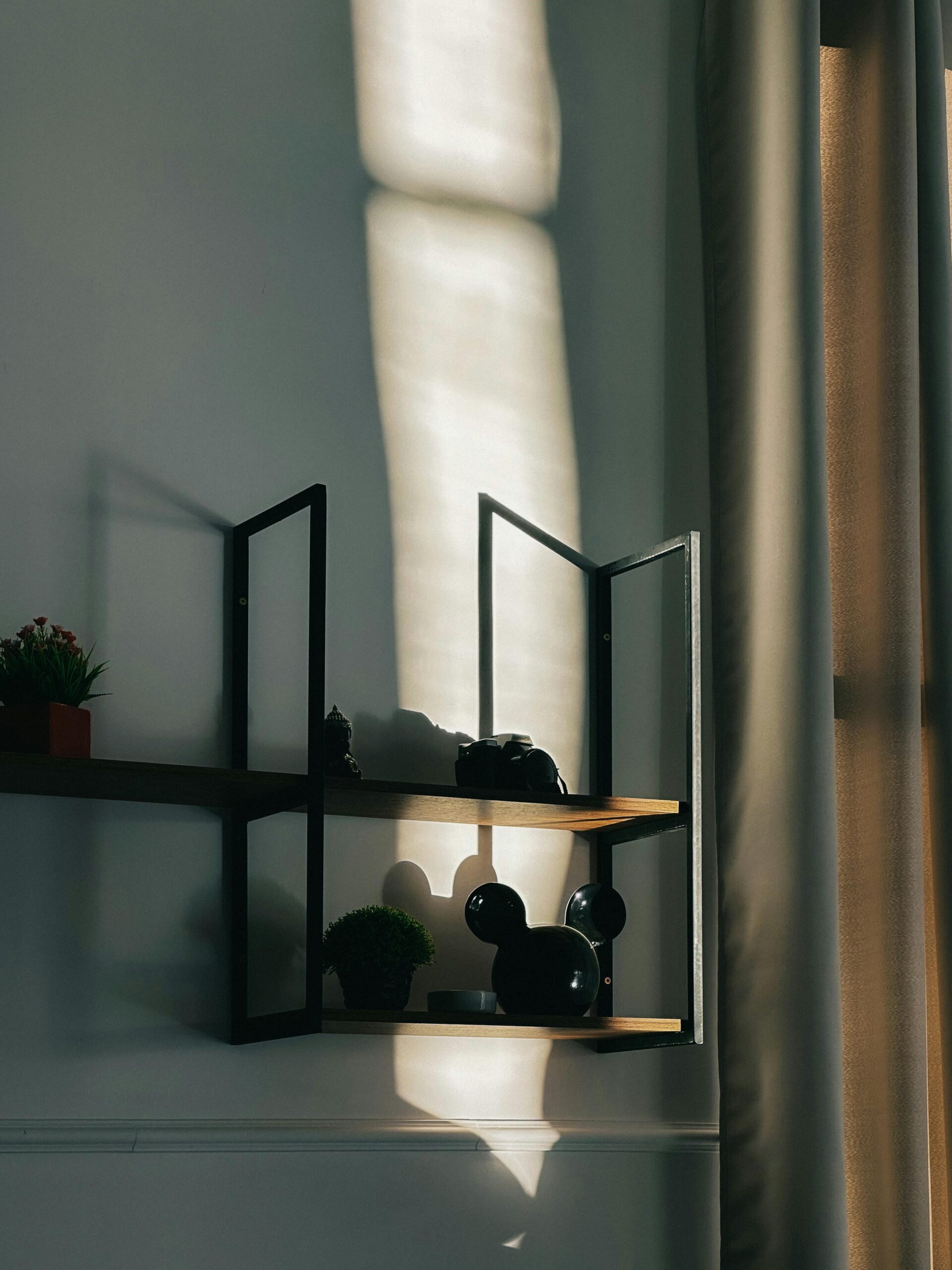
- Shadow Play: Large windows without heavy drapes allow the changing shadows of trees or clouds to act as a dynamic, natural “wallpaper.”
2026 Design Tip: If you want to start a minimalist transition today, follow the “One In, One Out” rule. For every new item you bring into your home, one item must be donated or sold. This prevents “clutter creep” and forces you to evaluate if the new item is truly essential.

Related Posts
Luxury Home Interiors: Design Elements and Trends
Wall Décor and Art Placement in Modern Homes