Wall Décor and Art Placement in Modern Homes
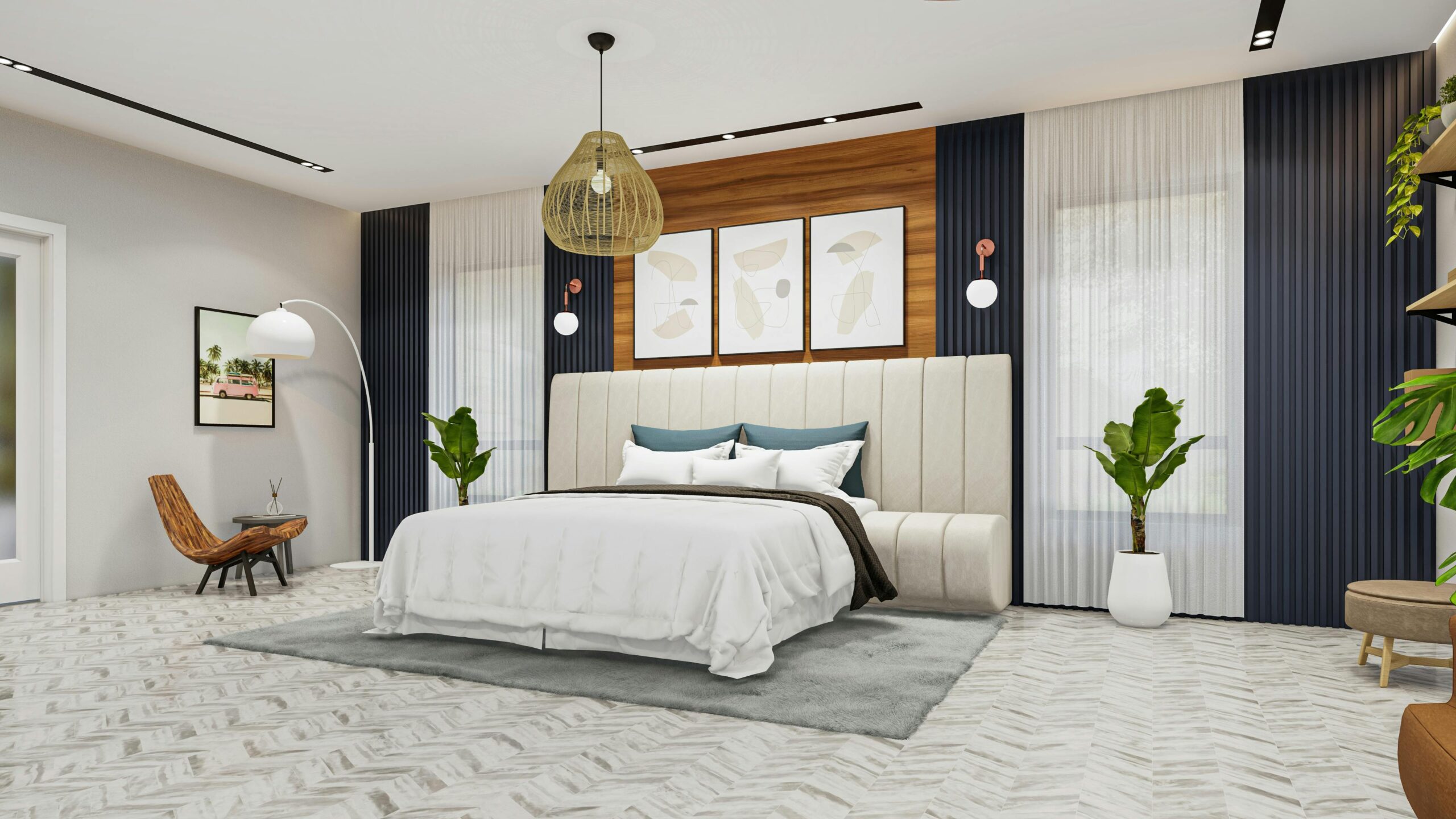
In March 2026, Wall Décor has moved beyond the “gallery wall” era into a period of Architectural Integration. In modern homes, art is no longer just “hung” on a wall; it is treated as a foundational layer of the room’s texture and emotional atmosphere.
The 2026 trend focuses on Large-Scale Impact, Tactile Art, and Digital-Analog Fusion.
1. The 2026 “Hero Piece” Strategy
Instead of many small frames which can create “visual noise,” 2026 designers are opting for a single, oversized statement.
- The Oversized Canvas: A single piece that takes up 60–75% of the available wall width. This anchors the room and creates a sense of “Museum-Scale” luxury.
- Calligraphic Murals: Hand-painted or 3D-etched scripts are becoming a high-end alternative to wallpaper. These provide a meditative, rhythmic quality to living rooms and entryways.
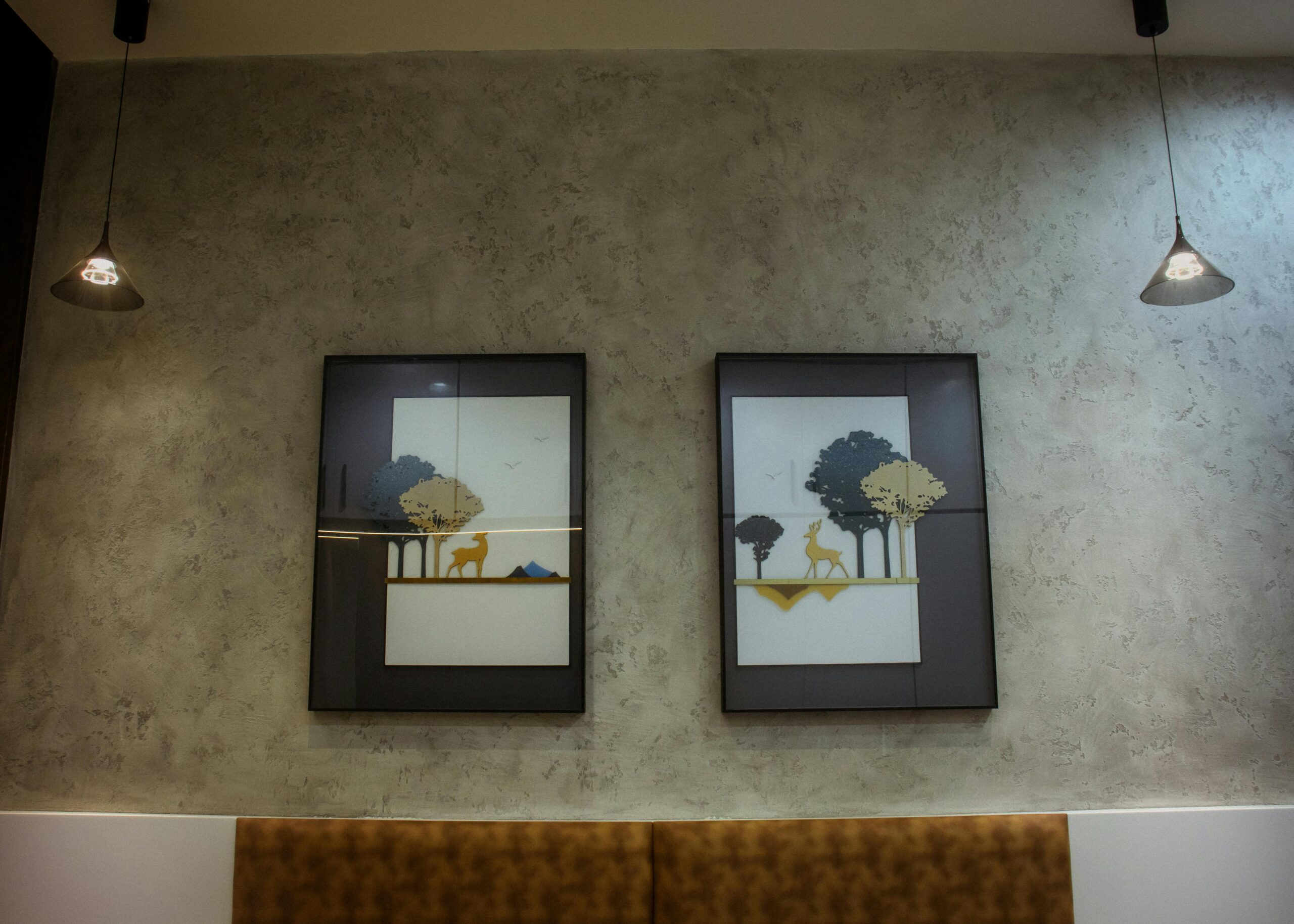
- Textured Reliefs: 3D art made from plaster, wood, or recycled paper. These interact with the room’s natural light throughout the day, casting changing shadows that give the wall a “living” quality.
2. Smart Placement: The “Eye-Level” Rule 2.0
In 2026, placement is about Functional Sightlines rather than just center-aligning everything.
| Placement Zone | The 2026 Rule | The Goal |
| Living Room | 145cm from the floor to the center of the art. | Aligns with the average human eye level for a “grounded” feel. |
| Above a Sofa | Bottom of frame should be 15–20cm above the backrest. | Connects the furniture and art into a single visual unit. |
| Dining Area | Slightly lower (120–130cm). | Optimized for a seated perspective during meals. |
| The “Lean” | Large mirrors or frames leaning against the wall on the floor. | Conveys “Quiet Luxury” and effortless style. |
3. Digital-Analog Fusion: “Smart Canvas”
A major 2026 breakthrough is the integration of high-resolution, low-glare digital art.
- E-Ink Gallery Walls: Frames that use e-ink technology to display black-and-white sketches or calligraphic art. These use zero energy to maintain an image and look exactly like paper, allowing you to change your “gallery” with a tap on your phone.
- Invisible Screens: Ultra-thin OLED panels that display curated 4K art collections when the TV is “off,” effectively eliminating the “Black Box” problem in modern living rooms.
4. Materials and Sustainability
In 2026, the frame is as important as the art.
- Bio-Frames: Frames made from mycelium, compressed cork, or reclaimed agricultural waste.
- Floating Mounts: Using “shadow box” frames or acrylic spacers to make the art appear to float off the wall. This emphasizes the Negative Space around the piece—a key principle of minimalist design.
- Textile Art: Wall-hung tapestries and hand-woven fiber art are trending for their Acoustic Luxury, as they absorb sound and reduce echoes in open-plan apartments.
5. Lighting Your Art
Art is only as good as the light hitting it.
- CRI 98+ Spotlights: Modern 2026 LEDs ensure that colors (especially subtle calligraphic inks) look true to life.
- Integrated Picture Lights: Slim, battery-powered (rechargeable via USB-C) brass or matte black bars that attach to the top of the frame, providing a professional “gallery” glow without messy wiring.
6. Summary: The 2026 Art Checklist
- Audit for Scale: If a piece looks “lost” on a wall, it’s too small. Group it with others or move it to a smaller nook.
- Respect the “Breath”: Leave at least 30cm of empty wall space around a large piece to let it “breathe.”
- Mix Textures: Pair a flat, glossy photograph with a rough, textured wood sculpture for visual contrast.
2026 Design Tip: For a quick update this month, try “The Lean.” Take a large, framed piece of art and simply lean it against the wall on top of a credenza or the floor. This breaks the formality of the room and makes the space feel more curated and lived-in.

Related Posts
Luxury Home Interiors: Design Elements and Trends
Importance of Natural Light in Residential Interiors