Interior Design for Apartments and Studio Homes
In March 2026, apartment and studio design has moved away from “making it fit” toward “Algorithmic Ergonomics.” As urban living spaces become more compact, designers are using data-driven layouts and modular “fat furniture” to ensure that even a 300sq ft studio feels like a luxurious, multi-room home.
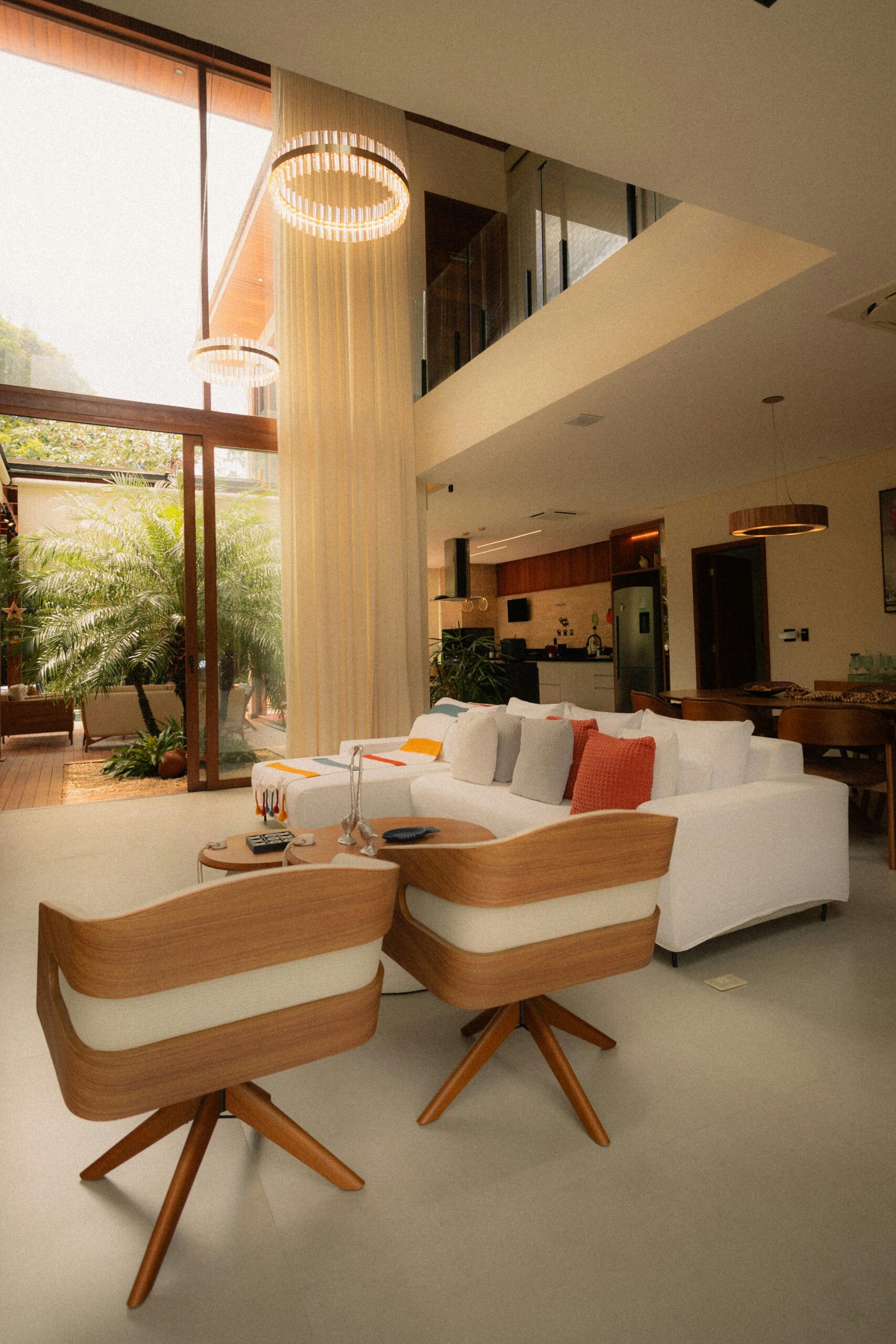
The current standard is “Warm Minimalism”—a shift from sterile whites to creamy neutrals like Cremèle, soft taupes, and muted terracotta.
1. The “Broken Plan” Layout
In 2026, we don’t use walls; we use Zoning Cues.
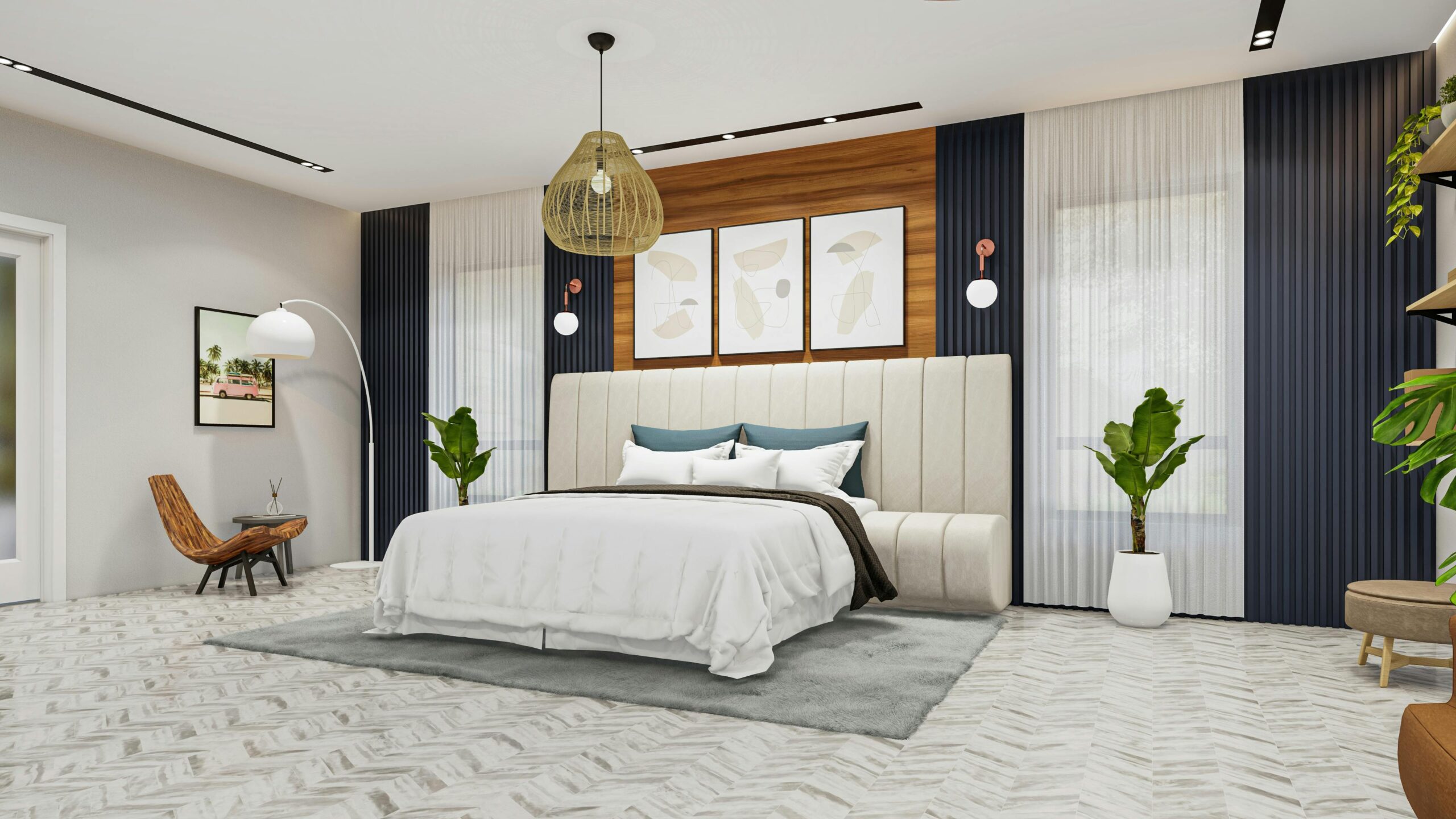
- Rug Mapping: Designers use different textures (a high-pile wool for the “bedroom” and a flat-weave jute for the “lounge”) to define boundaries without blocking sightlines.
- The “L-Shape” Pivot: Placing a deep, rounded sofa perpendicular to the bed creates an “L” that physically and visually blocks the sleeping area from the rest of the room.
- Elevation Zoning: Raising the sleeping nook on a 15-20cm platform creates a psychological “step up” into a private space, often doubling as hidden drawer storage.
2. Space-Saving “Hero” Pieces for 2026
Furniture in 2026 is expected to pull “double shifts.”
- “Fat” Modular Sofas: Deep, cloud-like sectionals that can be broken into individual ottomans for guests or pushed together to form a guest bed.
- The Transformer Console: A slim hallway table that telescopes into a 6-seat dining table using advanced CNC-routed joinery.
- Invisible Home Offices: Drop-down “Wall-Secretaries” that look like minimalist art panels when closed but feature integrated LED task lighting and power hubs when opened.
| Traditional Item | 2026 Studio Alternative | Why it Works |
| Coffee Table | Nesting Ottomans | Extra seating or footrests that tuck away. |
| Bookshelf | Cubicle Room Divider | Storage that lets light pass through to the bed. |
| Side Table | Smart Charging Pedestal | Built-in Qi2 wireless charging; no cable clutter. |
| Bed Frame | Storage Platform / Murphy | Reclaims 30+ sq ft of floor space during the day. |
3. Invisible Technology Integration
2026 is the year of “Sensing, not Screening.”
- Digital Feature Walls: Paper-thin OLED panels that display AI-generated murals (like moving waves or forest canopies) instead of a giant black TV screen.
- Human-Centric Lighting: Smart systems that automatically sync with your circadian rhythm, shifting to amber “sunset” tones at 8:00 PM to help you decompress in a tight space.
- Acoustic Art: Sound-absorbing panels etched to look like plaster art or bark, specifically designed to stop the “echo” common in open-plan studio apartments.
4. Biophilic Immersion
Since most urban dwellers lack gardens, 2026 interiors bring the garden inside vertically.
- AI-Powered Indoor Gardens: Slim, wall-mounted hydroponic units with timed LEDs that grow microgreens and basil, doubling as living kitchen decor.
- Self-Watering “Green Pillars”: Vertical plant towers that use recirculating water systems to provide a “lush” feel without taking up more than 1sq ft of floor space.
5. Summary: The 2026 Studio Checklist
- Go Vertical: Use the space above 7 feet for seasonal storage and “floating” art.
- Choose “Leggy” Furniture: Pieces with slim legs allow you to see the floor underneath, which tricks the brain into seeing more space.
- Audit the “Entryway”: Create a “Mini-Mudroom” with a single mirror and a wall-mounted hook system to prevent clutter from migrating into the living zone.
2026 Design Hack: Use Maximalist Mirrors. A single oversized, floor-leaning mirror (at least 6ft tall) placed opposite a window can increase the perceived light in a studio by up to 40%.

Related Posts
Luxury Home Interiors: Design Elements and Trends
Wall Décor and Art Placement in Modern Homes